
















How to Measure
How to Measure
Grab a soft measuring tape and two minutes. Accurate measurements are the fastest way to skip a return.
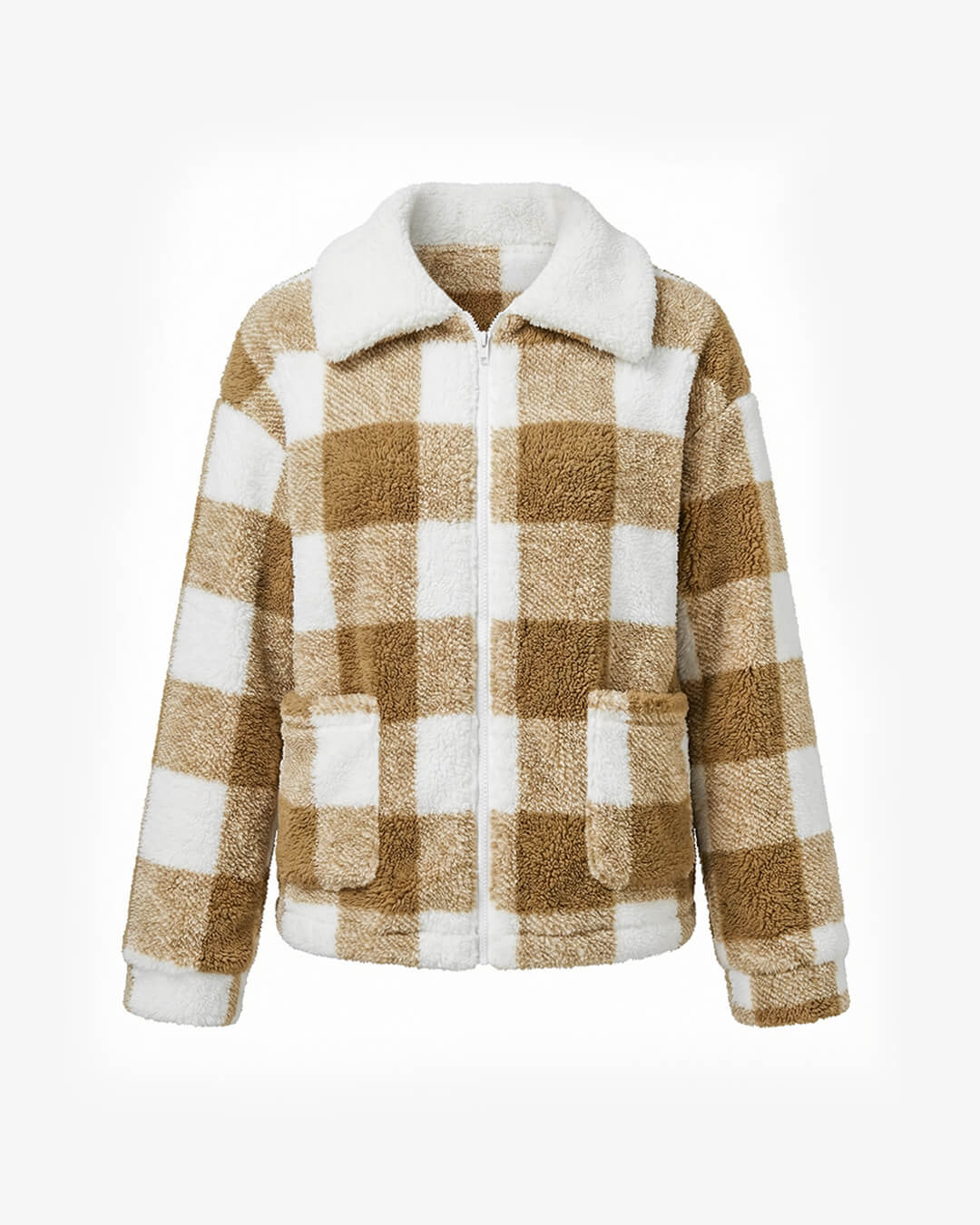
Covers tops, blouses, sweaters, cardigans, jackets, coats, blazers, dresses and jumpsuits.

1
Chest
Wrap the tape around the fullest part of your chest, keeping it level and parallel to the floor. Snug, not tight — you should be able to slide a finger underneath.
2
Shoulder
Measure straight across your back from the edge of one shoulder to the edge of the other, where a shoulder seam would sit.
3
Front Length
Starting at the top of your shoulder near the neck, measure straight down to where you'd like the garment to end. Or lay a favorite top flat and measure shoulder seam to hem.
4
Sleeve Length
With your arm relaxed and slightly bent, measure from the edge of your shoulder down the outside of your arm to your wrist bone.
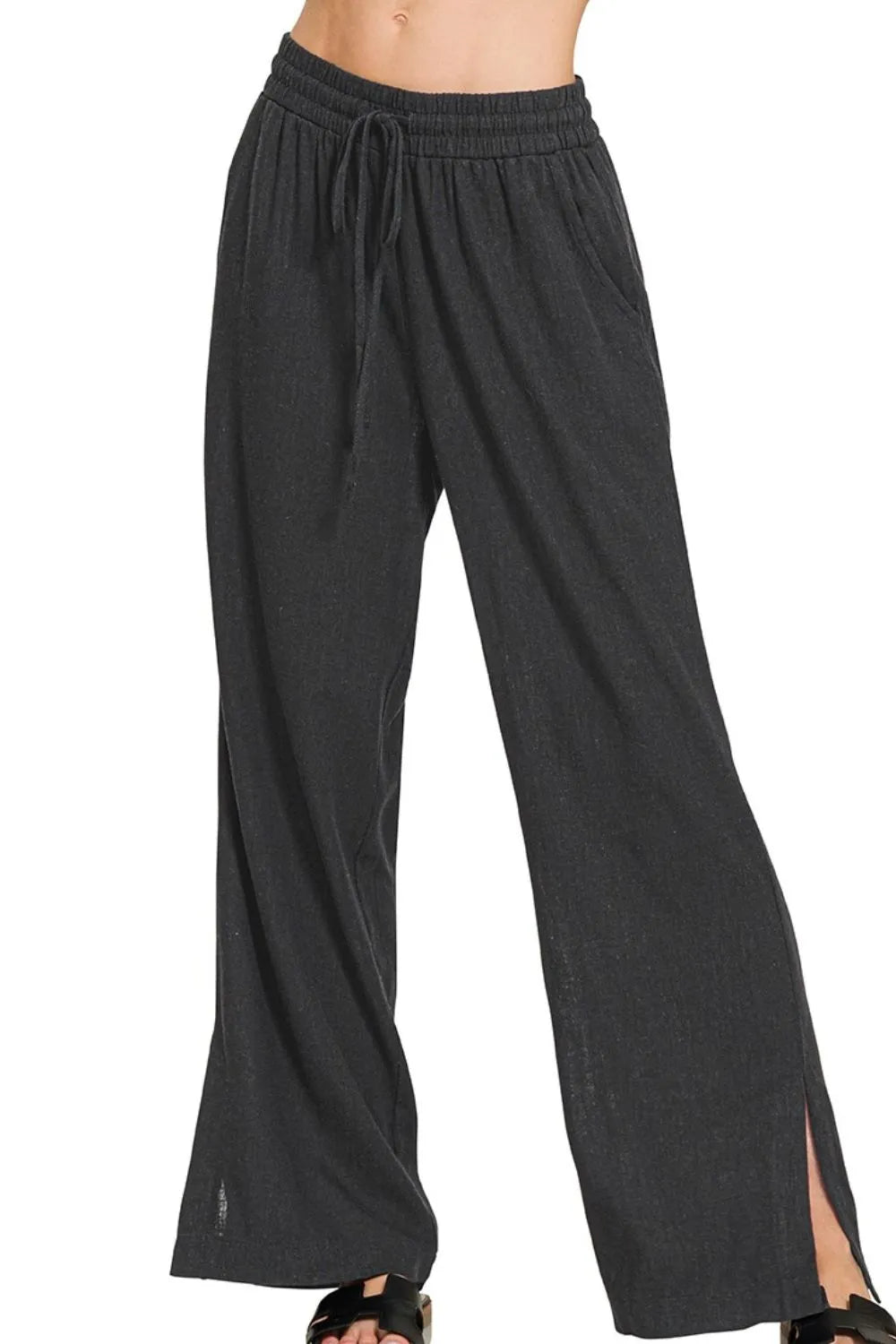
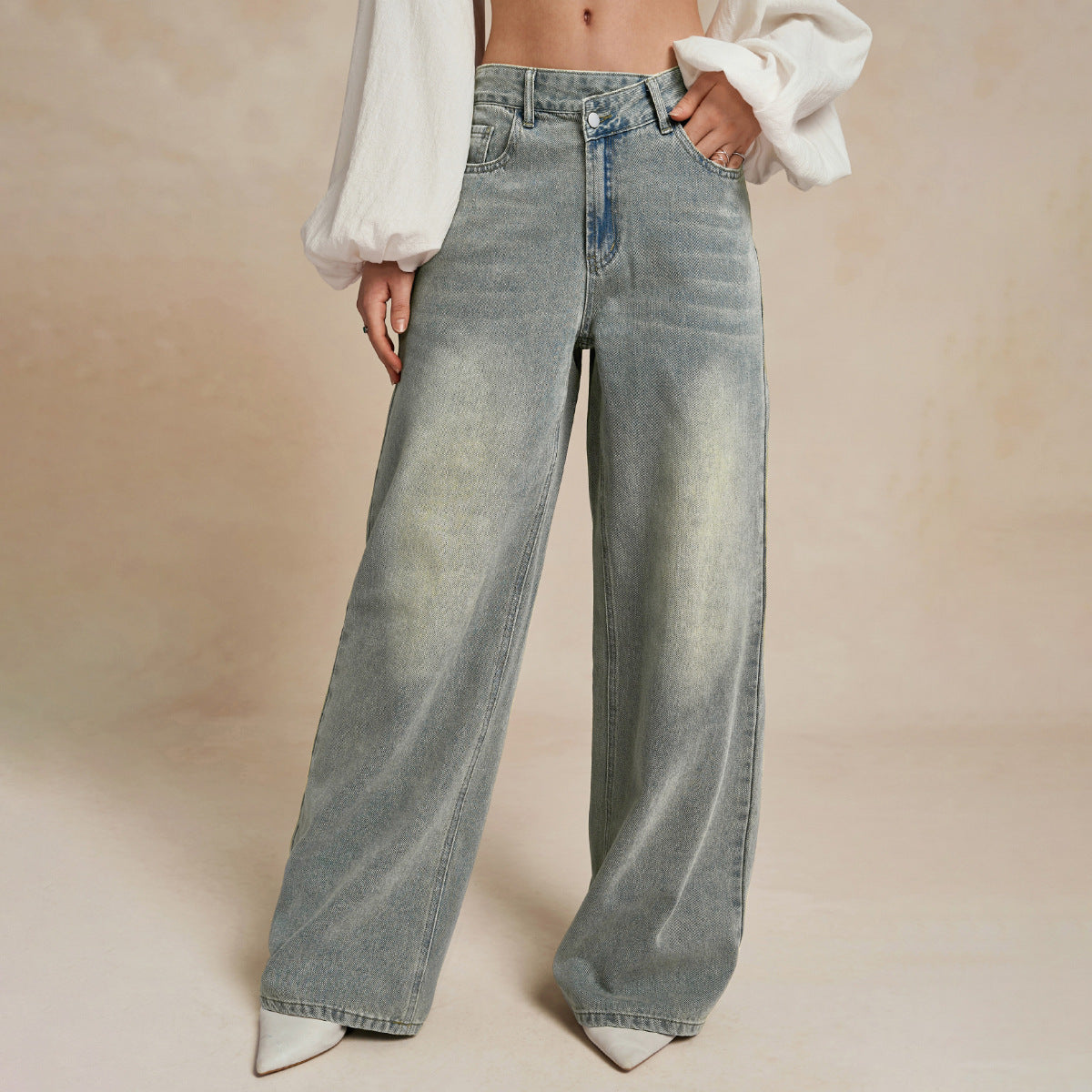
Covers jeans, trousers, leggings, skirts and shorts.

1
Waist
Measure around your natural waistline — the narrowest point of your torso, usually just above the belly button. Keep the tape level and breathe normally.
2
Hip
Stand with feet together and measure around the fullest part of your hips, keeping the tape parallel to the floor.
3
Front Length
Measure from your natural waistline straight down to where you'd like the hem to fall. For pants or jeans, comparing to a well-fitting pair you already own (measured flat, waistband to hem) is often the most accurate check.
Covers tops, shirts, sweaters, cardigans, jackets, coats and blazers.

1
Chest
Wrap the tape around the fullest part of your chest, keeping it level and parallel to the floor. Snug, not tight — you should be able to slide a finger underneath.
2
Shoulder
Measure straight across your back from the edge of one shoulder to the edge of the other, where a shoulder seam would sit.
3
Front Length
Starting at the top of your shoulder near the neck, measure straight down to where you'd like the garment to end. Or lay a favorite top flat and measure shoulder seam to hem.
4
Sleeve Length
With your arm relaxed and slightly bent, measure from the edge of your shoulder down the outside of your arm to your wrist bone.
Covers jeans, trousers and shorts.

1
Waist
Measure around your natural waistline — the narrowest point of your torso, usually just above the belly button. Keep the tape level and breathe normally.
2
Hip
Stand with feet together and measure around the fullest part of your hips, keeping the tape parallel to the floor.
3
Front Length
Measure from your natural waistline straight down to where you'd like the hem to fall. For pants or jeans, comparing to a well-fitting pair you already own (measured flat, waistband to hem) is often the most accurate check.
4
Thigh
Measure around the fullest part of one thigh, a few inches below the crotch, with your weight balanced evenly on both legs.
Fit types
Every product page tells you which fit it is, so you know how the measurements will sit on you.
Tops & outerwear
Body fitClose-fitting with stretch.
Regular fitTrue to the measurements shown.
Relaxed fitEasy through the body and sleeve.
Oversized fitRoomy and relaxed.
Bottoms
SkinnyClose through the hip, thigh and ankle, with stretch.
SlimFollows the leg without gripping.
StraightSame width from the knee to the hem.
FlareFitted through the thigh, opening below the knee.
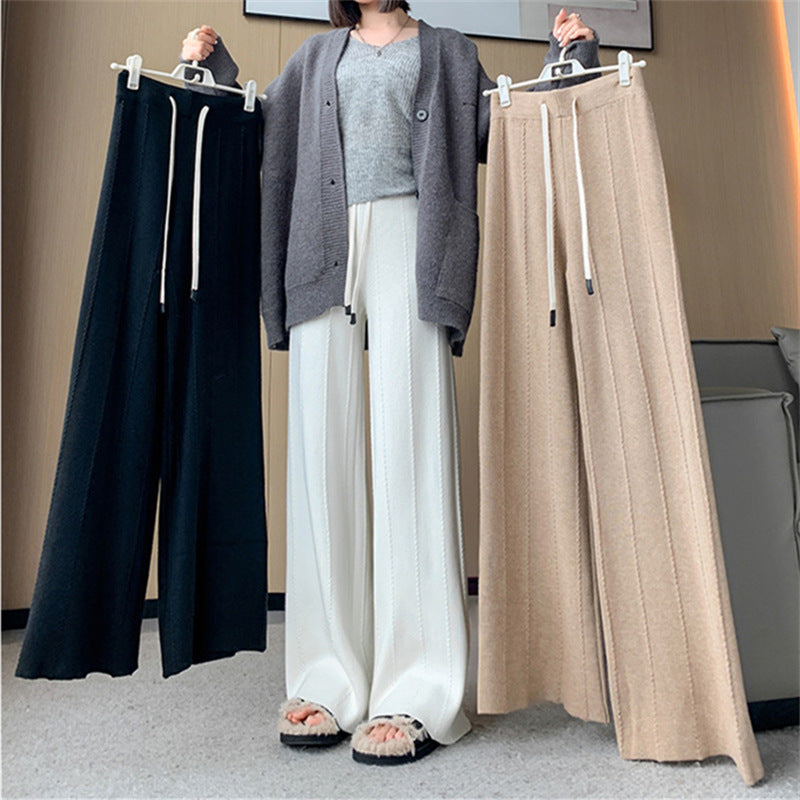
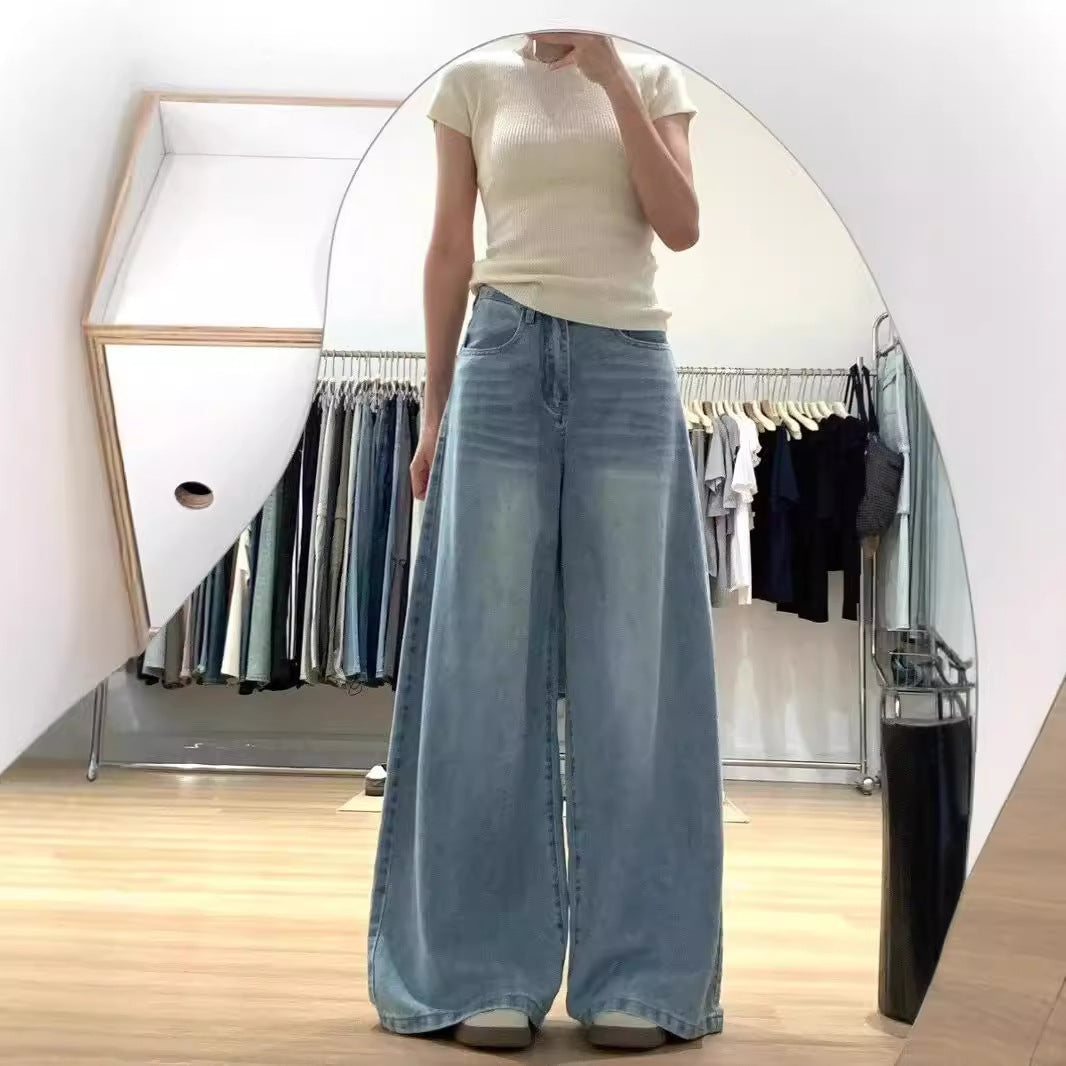
Wide legLoose and flowing from the hip down.
High riseSits at or above the natural waist.
Mid riseSits just below the natural waist.